
Ninety-three days.
For a while, that number felt like proof that my life was changing.
Ninety-three mornings without waking up in panic. Ninety-three days of rebuilding trust. Ninety-three days of learning how to live without constantly negotiating with addiction.
Then one night, I relapsed.
The strange thing is that the relapse itself didn’t last very long.
The shame lasted much longer.
Maybe you’re reading this because something similar happened to you. Maybe you had thirty days. Maybe ninety. Maybe a year. Maybe more.
And now you’re sitting with a question that feels heavier than it should:
“Did I just throw everything away?”
I remember asking myself that same question.
What I’ve learned since then is that relapse has a way of distorting reality. It convinces you that one mistake erased every victory that came before it.
But recovery doesn’t work that way.
If you’ve been considering additional support and wondering whether something more structured might help, you’re not alone. Many people eventually explore options like structured daytime addiction support because they realize recovery isn’t about perfection. It’s about continuing to move forward, even after a setback.
The Quiet Damage Shame Can Cause
Most people expect relapse to hurt.
What they don’t expect is how much shame can grow afterward.
For me, the hardest part wasn’t explaining what happened to other people.
It was listening to my own thoughts.
I replayed every decision.
Every warning sign.
Every moment where I could have done something differently.
I became my own harshest critic.
The problem with shame is that it rarely motivates healing. More often, it pushes people into isolation.
You stop answering messages.
You skip meetings.
You avoid the people who genuinely care about you.
You tell yourself you’ll reach out once you’ve fixed everything.
But recovery was never meant to be a solo project.
The longer we carry shame alone, the heavier it becomes.
Why Relapse Often Starts Before Anyone Notices
Looking back, my relapse didn’t begin the night I picked up.
It started weeks earlier.
I was stressed.
I was exhausted.
I stopped talking openly about what I was feeling.
I convinced myself that because things looked fine from the outside, they must be fine on the inside too.
That’s often how it happens.
Recovery doesn’t usually collapse all at once.
It happens quietly.
A missed meeting here.
A skipped routine there.
A growing sense of loneliness that nobody else can see.
Addiction rarely returns through a dramatic entrance.
More often, it slips in through small cracks that have been forming for a while.
That’s why relapse is often less about one decision and more about a gradual disconnection from support.
The Dangerous Belief That You Should Handle It Alone
After I relapsed, I immediately made a plan.
I was going to fix it myself.
No one needed to know.
No additional help.
No uncomfortable conversations.
I would simply stop again.
That sounds reasonable until you realize it’s the same kind of thinking that often keeps people trapped.
Addiction loves isolation.
It thrives when we believe asking for help is a weakness.
The reality is that needing support after a relapse doesn’t mean you’ve failed.
It means you’re responding to new information.
If your current level of support isn’t enough, increasing support isn’t defeat.
It’s strategy.
No one expects a broken leg to heal faster because you refuse treatment.
Recovery deserves the same level of honesty.
The Space Between “I’m Fine” and “Everything Is Falling Apart”
One of the biggest misconceptions I had was believing there were only two options.
Either continue life as normal.
Or enter round-the-clock care.
Many people are surprised to learn there’s a middle ground.
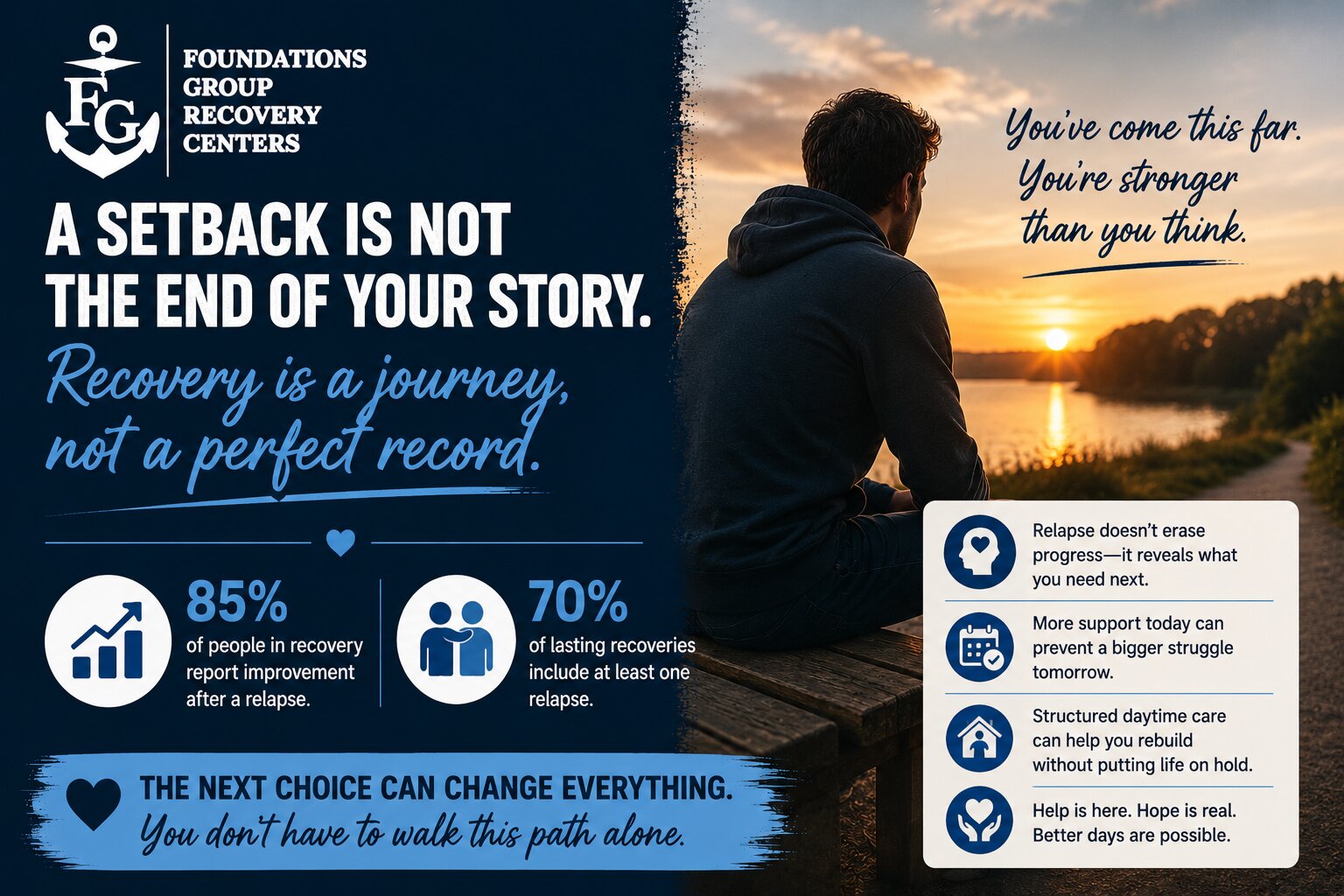
Structured daytime care offers a higher level of support while allowing people to return home each evening.
For alumni who have already experienced treatment, this can feel less intimidating because it provides meaningful structure without completely stepping away from daily life.
People searching for PHP addiction cape cod are often looking for exactly that.
Not because they’ve given up.
Because they’re trying to prevent a temporary setback from becoming a larger crisis.
They’re looking for support before things spiral further.
And that’s a very different mindset than surrendering.
It’s actually a sign of strength.
The Progress You Made Still Counts
This is the part I wish someone had told me sooner.
Your sober time mattered.
Every day of it.
The coping skills you learned still matter.
The healthier habits you built still matter.
The trust you rebuilt still matters.
A relapse does not erase growth.
Think about learning any skill.
If someone practices piano for ninety days and then misses a week, they don’t lose everything they learned.
Recovery works similarly.
Progress isn’t erased because of one difficult chapter.
The experience still shaped you.
The lessons are still there.
The person you became during that period still exists.
When we view recovery as an all-or-nothing achievement, relapse feels catastrophic.
When we view recovery as a lifelong process, relapse becomes something different.
Painful, yes.
But survivable.
And often educational.
What Coming Back Taught Me
One of the most humbling experiences of my life was returning for help.
I expected judgment.
I expected disappointment.
I expected people to question whether I was serious about recovery.
Instead, I found something unexpected.
Understanding.
The people helping me weren’t focused on where I stumbled.
They were focused on where I wanted to go next.
That changed everything.
Recovery communities understand something that shame often hides:
Many successful long-term recoveries include setbacks.
The difference isn’t whether someone relapses.
The difference is whether they choose to reconnect afterward.
Every time someone returns, they’re making a powerful statement.
They’re refusing to let addiction make the final decision.
The Next Choice Matters More Than the Last One
Right now, you may be replaying what happened.
You may be wondering how you got here.
You may be afraid that people will see you differently.
Those feelings are normal.
But they aren’t the most important part of your story.
The next choice is.
Will you continue carrying everything alone?
Will you keep waiting for things to magically improve?
Or will you allow yourself to receive additional support?
The relapse already happened.
You can’t rewrite that chapter.
But you can decide what comes next.
And sometimes the bravest thing a person can do isn’t staying perfect.
It’s reaching back out after they feel they’ve fallen short.
Because recovery isn’t measured by whether you stumble.
It’s measured by whether you keep walking.
Frequently Asked Questions
Is relapse a sign that treatment failed?
Not necessarily. Recovery is rarely a straight path. A relapse may indicate that additional support, new coping strategies, or a different level of care could be beneficial. It does not automatically mean previous treatment was unsuccessful.
Should I return to treatment after a relapse?
That depends on your situation, but many people benefit from reconnecting with professional support after a relapse. Early intervention can often prevent further struggles and help rebuild momentum.
What if I feel embarrassed about asking for help again?
This is one of the most common concerns people experience. Many treatment professionals have worked with countless individuals who returned after a setback. Seeking support is generally viewed as a sign of commitment, not failure.
How do I know if I need more structure?
If cravings are increasing, routines are slipping, emotional stress is becoming overwhelming, or you’re finding it difficult to maintain sobriety independently, a higher level of support may be worth exploring.
Can structured daytime care help after a relapse?
For many people, yes. Structured daytime care can provide accountability, therapeutic support, and consistent recovery-focused programming while allowing individuals to return home in the evenings.
Moving Forward Starts With One Conversation
If you’re reading this after a relapse, take a moment to remember something important:
You are not starting from zero.
You are starting from experience.
Everything you’ve learned still belongs to you.
Everything you’ve overcome still matters.
And the fact that you’re searching for answers today means a part of you still believes things can get better.
Hold on to that part.
Call (844)763-4966 or visit our day treatment program Massachusetts page to learn more about our treatment programs Massachusetts, day treatment program services Falmouth, MA.