
Heroin Addiction Treatment on Cape Cod, Massachusetts
Home » Substance Use Treatment » Heroin Addiction Treatment on Cape Cod
Heroin changes how your brain and body respond to pain, stress, and pleasure, which is why stopping on your own is so hard, even when you want to stop. Foundations Group Recovery Centers (FGRC) provides heroin addiction treatment on Cape Cod through outpatient programs in Mashpee, Massachusetts, combining medication, therapy, and ongoing support. Your plan depends on how heroin use has affected your health, your routines, and your life at home, so care starts with an assessment instead of a preset program.


How Heroin Affects the Body and Brain
Heroin is an opioid. It attaches to receptors that control pain and reward, and with repeated use your body develops tolerance, so you need more to feel the same effect, and physical dependence, so you react when the drug wears off. Heroin withdrawal causes symptoms such as nausea, vomiting, muscle aches, and strong cravings, and that discomfort is a common reason people return to use.
Many people notice the effects on sleep, mood, work, and relationships before they recognize a pattern. If you are unsure whether your use has become a problem, the physical and behavioral signs of heroin use can help you sort that out.
How Heroin Addiction Treatment Works
Treatment begins with an assessment of your substance use history, your physical health, any mental health conditions, and the support you have at home. From there, your team builds a plan that usually includes individual therapy, group therapy, and medication when it fits your needs. Therapy addresses the thoughts, stress, and habits tied to use, and group sessions put you in contact with other people working through the same thing. Many people also live with anxiety, depression, or trauma alongside opioid use, and your team treats those conditions together with substance use.
If you are still using heroin and need to stop safely before outpatient care, withdrawal management comes first. FGRC does not operate a detox unit on-site, but we coordinate placement with trusted detox providers and help you move into treatment afterward.
Medication for Heroin Use Disorder
Medication reduces cravings and withdrawal symptoms, which gives therapy a better chance to work. FGRC offers medication-assisted treatment with three medications, and your care team chooses among them based on where you are in treatment:
- Suboxone, a daily oral film or tablet used for early stabilization and withdrawal management
- Sublocade, a monthly injection used for long-term support and to reduce daily dependence on medication
- Vivitrol, a monthly injection used after detox or stabilization to help prevent relapse, and it does not contain an opioid
Medication can continue through every level of care at FGRC for as long as you need it.
Levels of Care at FGRC
FGRC programs are outpatient, so you attend treatment during the day without staying overnight. Your level of care depends on how much structure and clinical support you need, and your team can adjust it as you progress.
At a day treatment program (also called a partial hospitalization program, or PHP), you receive the most structured care we offer. At this stage, you meet with your clinical team on a set daily schedule while medication and early routines settle in.
At a half-day treatment program (also called an intensive outpatient program, or IOP), you keep meaningful treatment in your week with more room for work, family, and other commitments. At this stage, you apply what you learned in day treatment to everyday situations and cravings.
Outpatient treatment is the lowest-intensity level, with fewer sessions each week. At this stage, you maintain your progress, keep up with therapy, and continue medication if you need it.
Many people step down through these levels as they stabilize, though your team sets the pace based on your progress and not a fixed timeline.
Treatment Near Cape Cod
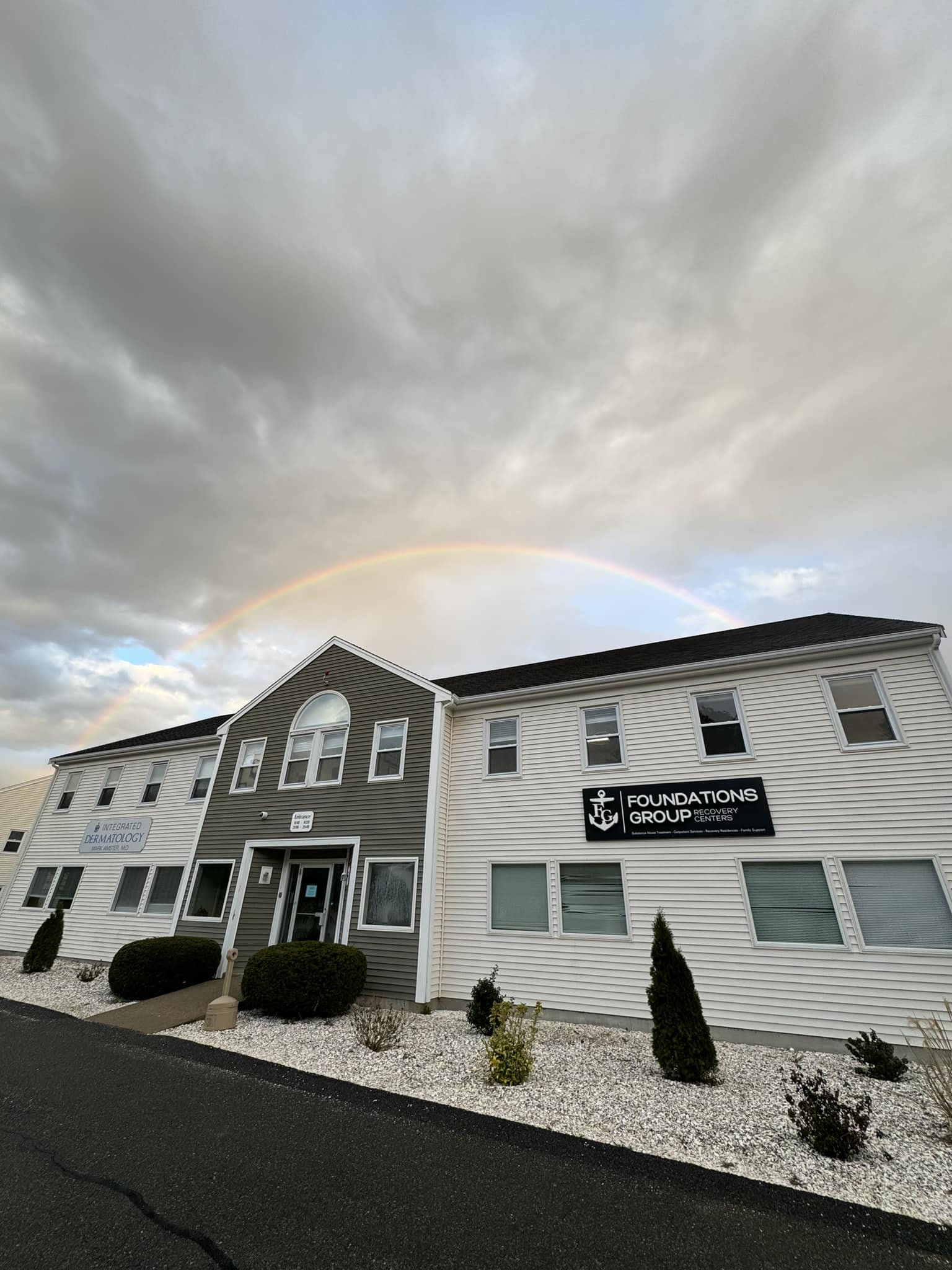
FGRC is located at 800 Falmouth Road, Suite 201B, in Mashpee, and serves people across Cape Cod and Barnstable County, as well as Plymouth County and the rest of Massachusetts. If you are looking for heroin addiction treatment in Massachusetts that keeps you close to your family, work, and community, outpatient care in Mashpee makes that possible.
Insurance and Getting Started
FGRC completes an insurance verification before you begin, so you know what your plan covers and what costs you may owe, and the team can talk through payment options if you need them. You can reach our admissions team at (844) 763-4966 with questions about coverage, what an assessment involves, or which level of care fits. If you are calling for a family member, you can share what you know, and the team will explain what happens next.
why choose us
Massachusetts' premier Heroin addiction treatment center
Choose Foundations Group Recovery Centers for evidence-based, compassionate, and personalized treatment that empowers individuals and families to achieve long-lasting recovery and wellness.
- Experienced Clinical and Recovery Support Staff
- Premier Location and State of the Art Facilities on Cape Cod, MA
- Recovery Residences with World Class Amenities
- Holistic and Alternative Therapies
- Ability to Connect Individuals to the Cape Cod Recovery Community
- Alumni & Family Support
Foundations Group Recovery Centers in Massachusetts stands out as the premier addiction treatment center due to its comprehensive, individualized care, experienced and compassionate staff, and commitment to supporting long-term recovery in a nurturing and supportive environment.

faq
Heroin Addiction Treatment Questions
Heroin use disorder is a medical condition in which you keep using heroin despite harm to your health, relationships, or responsibilities. Medical and scientific communities treat it as a chronic condition, similar to asthma or diabetes, which means it responds to ongoing care and not to willpower alone.
Several factors play a role, including genetics, environment, psychological characteristics, and stress. Long-term opioid use changes the brain in lasting ways, and people who start using at a young age have a higher risk of dependence. Those brain changes can persist after use stops, which is part of why ongoing care matters.
The core approach is similar, since heroin, prescription opioids, and fentanyl act on the same receptors, and medication and therapy apply to all of them. What differs is your history. Your team will ask what you have used, how you use it, how often, and whether fentanyl may be involved, because those answers shape your medication plan and level of care.
Fentanyl has been found throughout the illicit opioid supply, including in drugs sold as heroin, and you usually cannot tell by looking at the drug. Tell your team if fentanyl may be involved. It affects overdose risk, withdrawal, and medication planning, which is one reason an assessment comes before a medication plan.
FGRC does not operate a detox unit on-site. If you need to stop using heroin under medical supervision before starting outpatient care, we coordinate placement with trusted partner providers and help you transition into treatment afterward. Medication and therapy continue through our programs once you start.
Your assessment looks at your substance use patterns, your medical and mental health history, your family dynamics, and any legal or work concerns. Your clinical team uses it to recommend a level of care and build a plan with you, and the plan changes as you progress.
FGRC has doctors and nurses who address health concerns related to substance use, including screening for conditions such as HIV, hepatitis, and tuberculosis. If you also live with anxiety, depression, or trauma, your team treats those together with substance use, and medication management is available when it fits your needs.
Yes. FGRC offers family support groups and family education and counseling, which help your loved ones understand addiction and how to support you.
It varies. Your timeline depends on your health, your goals, how heroin use has affected your life, and how you respond to treatment. Recovery involves more than stopping use, because you also build new ways to handle stress, manage emotions, and spend time without relying on substances, and that takes sustained effort. Many people move from a day treatment program to a half-day treatment program and then to outpatient care, and your team adjusts the level as you stabilize.
Yes. FGRC offers a virtual day treatment program and a virtual half-day treatment program, so you can attend from home. The virtual programs mirror the services at our Mashpee location, and your team can help you decide which format fits your schedule and needs.