
Relapse has a strange kind of silence around it.
When it happens, people rarely talk about it right away. They disappear for a while. They stop answering texts. Meetings get missed. Phone calls go unanswered.
I know that silence well because I lived inside it.
After I left recovery the first time, things were good for a while. I had more than 90 days. My head felt clearer. My family started trusting me again. Life felt like it was finally moving in the right direction.
Then, slowly, the pressure started creeping back in.
And eventually, so did opioids.
The night I realized I needed help again, I found myself quietly looking at options like support for opioid recovery.
But pride stepped in immediately.
And pride almost convinced me to stay silent.
The Moment I Realized I Was Slipping
Relapse rarely feels dramatic at first.
For me, it started with exhaustion. Long workdays. Stress piling up. That familiar voice in my head that said, You can handle this.
At first, it was just thoughts.
Memories of how opioids used to quiet the noise in my head. How they used to slow everything down when life felt overwhelming.
Then one day, the thought turned into action.
And just like that, I was back somewhere I had sworn I would never return to.
The strange part was how quickly shame filled the space.
It wasn’t just guilt about using again. It was the crushing feeling that I had wasted the chance I’d been given.
The Story Pride Started Telling Me
After the relapse, pride became loud.
It sounded like responsibility at first.
My brain told me things like:
You already got help once.
You should be able to fix this yourself.
Don’t embarrass yourself by going back.
That voice felt logical. It sounded like discipline.
But the truth was that pride was doing exactly what addiction wanted.
It was isolating me.
Addiction grows stronger in isolation. The more I tried to keep everything quiet, the easier it was to fall back into old patterns.
The Weeks I Tried to Fix It Alone
For a while, I tried to handle things privately.
I made rules for myself.
Only on weekends.
Only small amounts.
Only until things calm down.
If you’ve been through this, you already know how that story ends.
Addiction does not respect personal rules.
The mental energy it took to manage everything was exhausting. I was constantly thinking about it—how much I had, when I’d run out, whether anyone could tell.
It felt like trying to keep a spinning plate balanced all day long.
Eventually, I realized something that scared me.
I wasn’t controlling it anymore.
The Moment Pride Almost Won
One afternoon I sat on my couch staring at my phone.
I still had the contact information from the first time I reached out for help.
My thumb hovered over the call button.
But my mind was racing.
They’re going to think I didn’t take recovery seriously.
They’re going to be disappointed.
Maybe I should just figure it out myself.
For several minutes, I sat there frozen.
Pride was telling me that calling would mean admitting failure.
And for a moment, I believed it.
I almost deleted the number.
What Happened When I Finally Made the Call
Eventually something inside me shifted.
Not courage exactly.
More like honesty.
I realized something simple: the longer I waited, the worse things were getting.
So I called.
My voice shook when I explained what had happened. I expected judgment. Maybe even frustration.
Instead, the person on the other end said something that completely disarmed me:
“We’re really glad you called.”
No disappointment.
No lecture.
Just relief that I had reached out.
That moment broke the isolation that relapse had created.
Why Returning Felt Different the Second Time
Going back for help felt terrifying at first.
But something important had changed inside me.
The first time I got help, I was mostly scared of the consequences of addiction.
The second time, I was honest about it.
I understood more about my triggers. I knew which parts of recovery I had taken seriously and which parts I had avoided.
When I returned to opiate addiction treatment, it didn’t feel like starting from zero.
It felt like continuing work that had already begun.
The difference was that this time, I showed up without pretending I had everything under control.
The Lesson Relapse Taught Me
One of the biggest lies people believe about relapse is that it erases all their progress.
It doesn’t.
Everything I learned during my first time in recovery was still there.
I still knew how meetings helped. I still knew how much better life felt without the constant chaos of addiction.
Relapse didn’t erase that knowledge.
It reminded me how important it was.
Recovery rarely moves in a perfectly straight line. For many people, it looks more like a winding path with setbacks and restarts.
What matters most is continuing to walk the path.
The Truth About Pride and Recovery
Pride tells you that asking for help again means you failed.
But recovery teaches something different.
Strength isn’t about never falling.
Strength is about being willing to get back up, even when it’s uncomfortable.
Every time someone reaches out for support again, they’re choosing their future over their pride.
And that choice can change everything.
If You’re Sitting With Shame Right Now
If you’ve relapsed after time in recovery, you might be carrying the same thoughts I had.
You might feel like you disappointed people. Like you wasted an opportunity. Like you should handle this quietly before anyone finds out.
But here’s something important to remember:
Relapse does not erase the person you were becoming.
It just means you need support again.
And support is still available.
Frequently Asked Questions
Is relapse common after treatment?
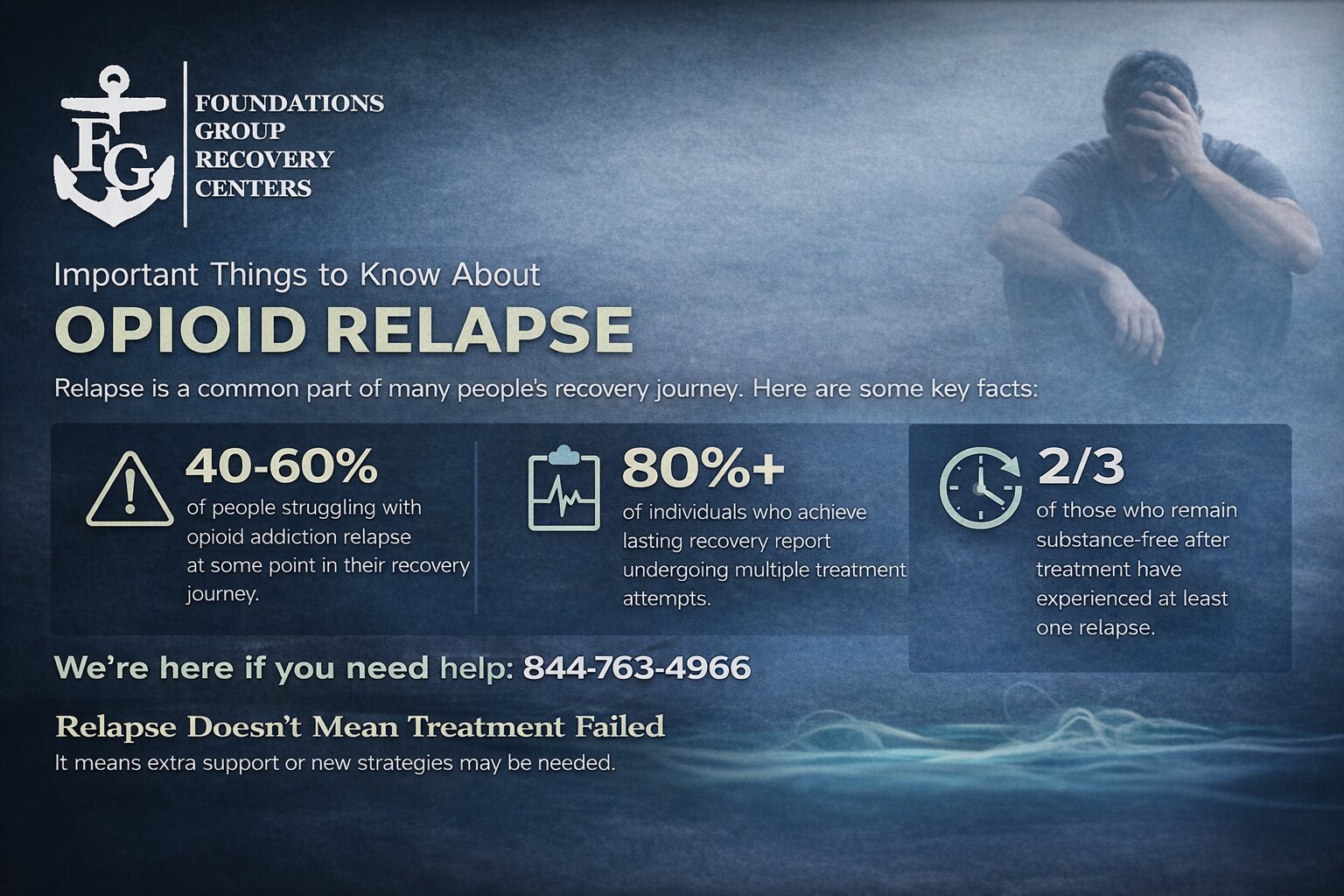
Yes. Relapse is a common part of many people’s recovery journey. Addiction changes how the brain processes reward, stress, and impulse control, and healing those systems can take time. Experiencing relapse does not mean someone cannot achieve long-term recovery.
Does relapse mean treatment failed?
No. Relapse usually means additional support, different strategies, or deeper emotional work may be needed. Many people build lasting recovery after returning for help with more insight and experience.
Why does pride make it harder to return for help?
Pride can create fear of judgment or embarrassment. People often worry they will disappoint others if they admit they’re struggling again. In reality, treatment professionals understand relapse and focus on helping people move forward, not judging them.
Can recovery still work after relapse?
Absolutely. Many individuals who achieve lasting recovery have experienced relapse along the way. Each attempt often provides valuable insight that strengthens the next stage of the process.
How do I know if I should reach out again?
If opioid use has returned or feels like it’s becoming difficult to control, reaching out for support can help prevent things from escalating further. Early conversations often make recovery easier than waiting for a crisis.
What if I feel embarrassed about asking for help again?
Embarrassment is extremely common after relapse. But treatment providers work with people in this situation every day. Their goal is not to judge—it’s to help you regain stability and move forward.
You Don’t Have to Do This Alone Again
If you’re struggling after relapse, it might feel like you’re starting over.
But the truth is you’re starting wiser.
You understand more about yourself now. You know what recovery feels like. And you know that life can be better than the chaos addiction creates. Get help that’s close to home, Proudly serving in Falmouth, Barnstable County, MA.
If you’re ready to take the next step, call 844-763-4966 or visit our opiate addiction treatment services to learn more about our opiate addiction treatment services in Massachusetts.
Recovery doesn’t belong only to the people who get it right the first time.
It belongs to the people who keep coming back.